

How Blacktail Construction & Restoration Works With Your Insurance Company to Get Repairs Made Fast
When your home has water damage, the last thing you want is…
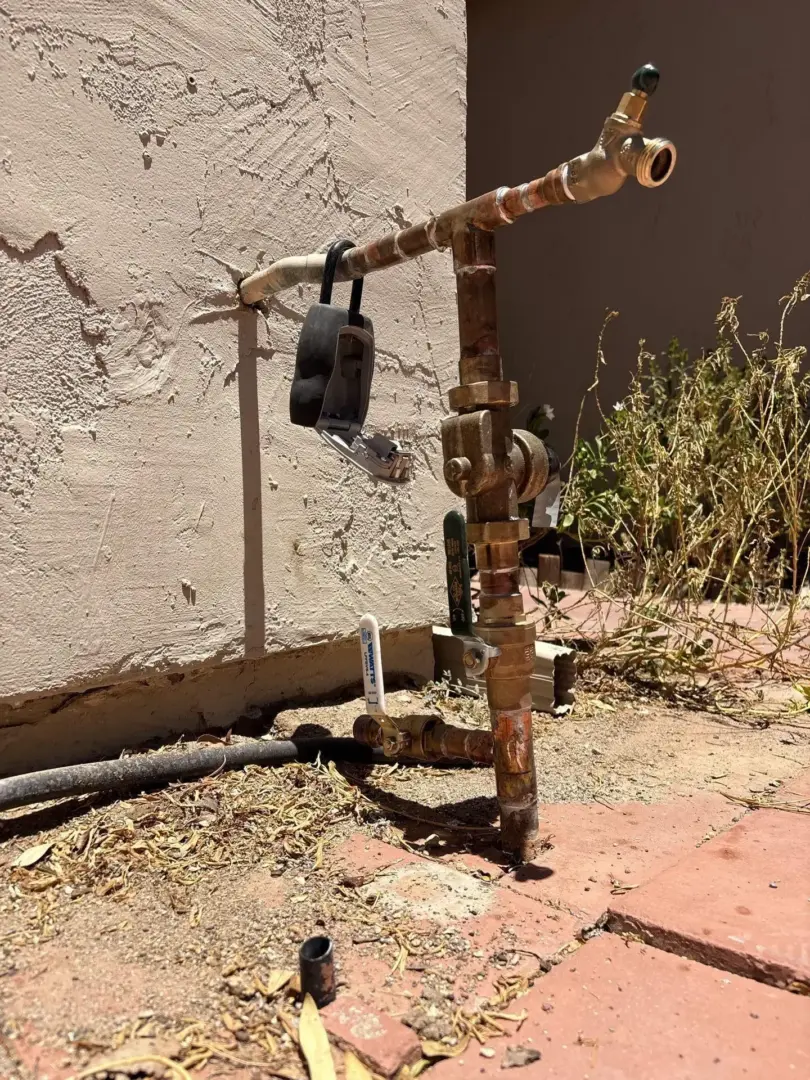
Water emergencies can happen at any time, including late at night when you are not expecting them. A broken toilet supply line, burst pipe, or appliance leak can turn into a serious flood in just a few minutes. In those moments, the most important skill a homeowner can have is knowing how to shut off the main water and stop the flow before the damage spreads.
If you are dealing with a water leak or a flooded home, acting quickly can save you from thousands of dollars in water damage and prevent unnecessary mold growth. This guide will help you locate your main water shutoff, understand where it is typically found, and what to do once you find it.
When a toilet supply line breaks or a pipe bursts, water continues to flow until the problem is stopped. The fastest way to stop that flow is to shut off the main water shutoff. This valve controls all the water coming into your home.
Turning off the main shutoff:
Stops additional water from entering your home.
Limits the amount of flood damage that can occur.
Reduces the chance of mold growth caused by standing water.
Helps protect flooring, drywall, cabinets, and structural materials.
Gives you time to call a restoration professional like Blacktail Construction & Restoration.
A small leak can become a large loss if it is not stopped quickly. The sooner you shut off the water, the better your chances of controlling the damage.
Your main water shutoff is usually located in one of these common areas:
Inside the house: near the water heater, in a utility room, garage, basement, or near the kitchen.
Outside the house: on an exterior wall, often near where the water meter is located.
In the yard: in a covered box near the street or driveway, sometimes labeled “water.”
In many homes, the main shutoff is a round valve you turn with your hand or sometimes a wrench. Turning it clockwise (to the right) usually closes the valve and stops the flow.
If you are not sure where your shutoff is, look for small signs such as:
Pipes entering the house near the water heater.
A valve near the front of the house where the water line comes in.
A covered access box in the yard marked “water.”
Once you locate your main water shutoff, follow these quick steps:
Turn the valve clockwise until it stops.
This is the standard way to close most water valves.
Check that water has stopped flowing.
You can test this by turning on a faucet or trying to use a toilet. If nothing comes out, the water is off.
Do not panic if the handle is tight or stuck.
Use a wrench if needed, but be careful not to break the valve.
If you cannot find the main shutoff, look for a local shutoff near the leaking appliance or fixture. A toilet may have a small valve under it that can be turned off temporarily.
Call a licensed plumber or water damage restoration company to help fix the leak and assess the damage.
If you are unable to shut off the water, or if the water is spreading quickly, contact a professional immediately.
Turning off the main water does not end the emergency. It simply stops more water from coming in. After shutting off the valve, homeowners should:
Move furniture, rugs, and valuables away from the wet area.
Turn off electricity in the affected area if it is safe to do so.
Take photos and videos of the damage.
Call a plumber or restoration company to assess the leak and damage.
Avoid walking on soaked flooring if it is unsafe or unstable.
Even if the water leak seems small, hidden moisture can still cause serious problems later. A professional inspection can detect moisture in walls, under floors, and inside cabinets where it cannot be seen.
If you are dealing with a flooded home, a toilet supply line leak, or significant water damage, it is important to call a restoration company as soon as possible. A qualified team can:
Inspect the property for hidden moisture.
Remove standing water and begin drying the structure.
Identify mold growth risks.
Help you understand what materials can be saved and what may need to be removed.
Water damage can spread quickly, especially when it is at night or the homeowner is stressed and unsure of the next steps. Acting fast can help reduce repair costs and the amount of demolition needed.
Knowing where your main water shutoff is and how to turn it off is one of the most practical skills a homeowner can have. In a water leak or flood damage emergency, shutting off the main water can prevent a small problem from becoming a major disaster.
If your home has flooded from a toilet supply line, a broken pipe, or any other type of leak, the most important thing is to act quickly. Shut off the water, document the damage, and call a restoration professional for help.
At Blacktail Construction & Restoration, we help homeowners respond to water emergencies quickly and restore the home safely. If you need help with water damage in Phoenix or the surrounding area, we are available to guide you through the process.

When your home has water damage, the last thing you want is…
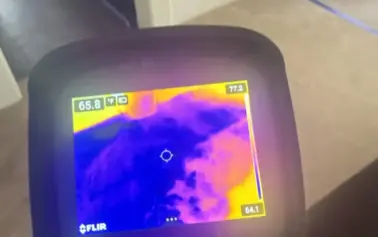
When a home has water damage, one of the first things a…
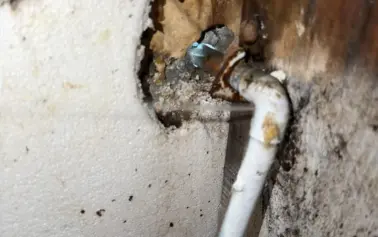
A water leak can turn into a serious home problem much faster than most…

Licensed, Bonded, and Insured
When disaster hits, you need more than a service — you need a team you can trust. Our Scottsdale, AZ restoration experts respond quickly to water, fire, and smoke damage, delivering skilled repairs and compassionate support to restore your property and your peace of mind.