

How Blacktail Construction & Restoration Works With Your Insurance Company to Get Repairs Made Fast
When your home has water damage, the last thing you want is…
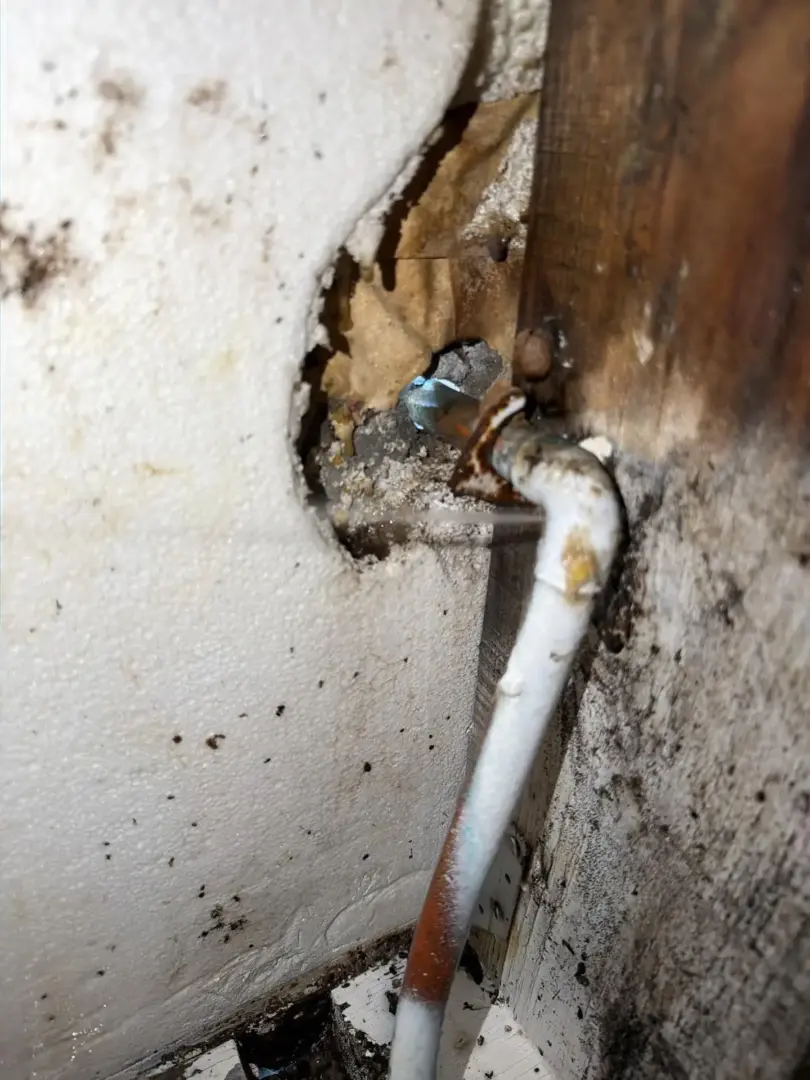
A water leak can turn into a serious home problem much faster than most homeowners realize. Whether the issue started from a broken pipe, a leaking pipe, or major flood damage, the clock starts ticking the moment water enters your home.
The real danger is not always the water you can see. It is the moisture that gets trapped behind walls, under floors, inside cabinets, and in insulation. After a water leak, that hidden moisture can keep spreading damage long after the visible water is gone.
Water damage often begins immediately and can become much harder to control within just a few hours. In the first hour, water can soak into flooring, drywall, and baseboards. Over the next several hours, it can spread farther into structural materials and begin causing swelling, staining, and softening.
If the source is a broken pipe, the damage can be even more severe because a large amount of water may enter the home at once. If it is a slow leaking pipe, the damage may be less obvious at first, but it can still become serious because it often goes unnoticed for longer.
After a water leak, the damage usually follows a pattern:
Water reaches the surface and spreads quickly.
Building materials begin absorbing moisture.
Hidden areas stay wet even after the surface looks dry.
Odors, staining, and warping may begin.
Mold growth becomes more likely if drying is delayed.
This is why homeowners should never assume a small leak is harmless. Even a minor water leak can create major repair issues if it is not handled correctly and quickly.
Flood damage usually involves more water, more contamination, and a greater chance of widespread structural impact. Floodwater can enter multiple rooms, soak through flooring, and leave behind dirt, debris, and bacteria.
Because of that, flood damage often requires faster removal, deeper drying, and more extensive cleaning than a typical interior leak. The longer floodwater sits, the more likely it is that materials will need to be removed and replaced instead of simply dried.
A leaking pipe can be one of the most destructive types of water damage because it often happens out of sight. Pipes inside walls, under sinks, or behind appliances can leak slowly for days or weeks before the homeowner notices.
By the time signs appear, the damage may already include warped drywall, soft flooring, musty odors, or mold growth. That is why hidden leaks should always be taken seriously, even if the amount of water seems small.
Watch for these warning signs:
A damp, musty smell.
Stains on ceilings or walls.
Peeling paint or bubbling drywall.
Warped floors or baseboards.
Soft spots near cabinets or walls.
Visible mold or discoloration.
If you see any of these after a water leak, the problem may already be spreading behind the surface.
If you discover water damage, act quickly:
Shut off the water source if it is safe.
Avoid electrical hazards.
Move furniture and valuables away from the wet area.
Take photos for insurance records.
Call a water damage restoration company as soon as possible.
Fast action can reduce damage, lower repair costs, and help prevent mold from developing.

When your home has water damage, the last thing you want is…
Water emergencies can happen at any time, including late at night when…
When a home has water damage, one of the first things a…

Licensed, Bonded, and Insured
When disaster hits, you need more than a service — you need a team you can trust. Our Scottsdale, AZ restoration experts respond quickly to water, fire, and smoke damage, delivering skilled repairs and compassionate support to restore your property and your peace of mind.