

How Blacktail Construction & Restoration Works With Your Insurance Company to Get Repairs Made Fast
When your home has water damage, the last thing you want is…
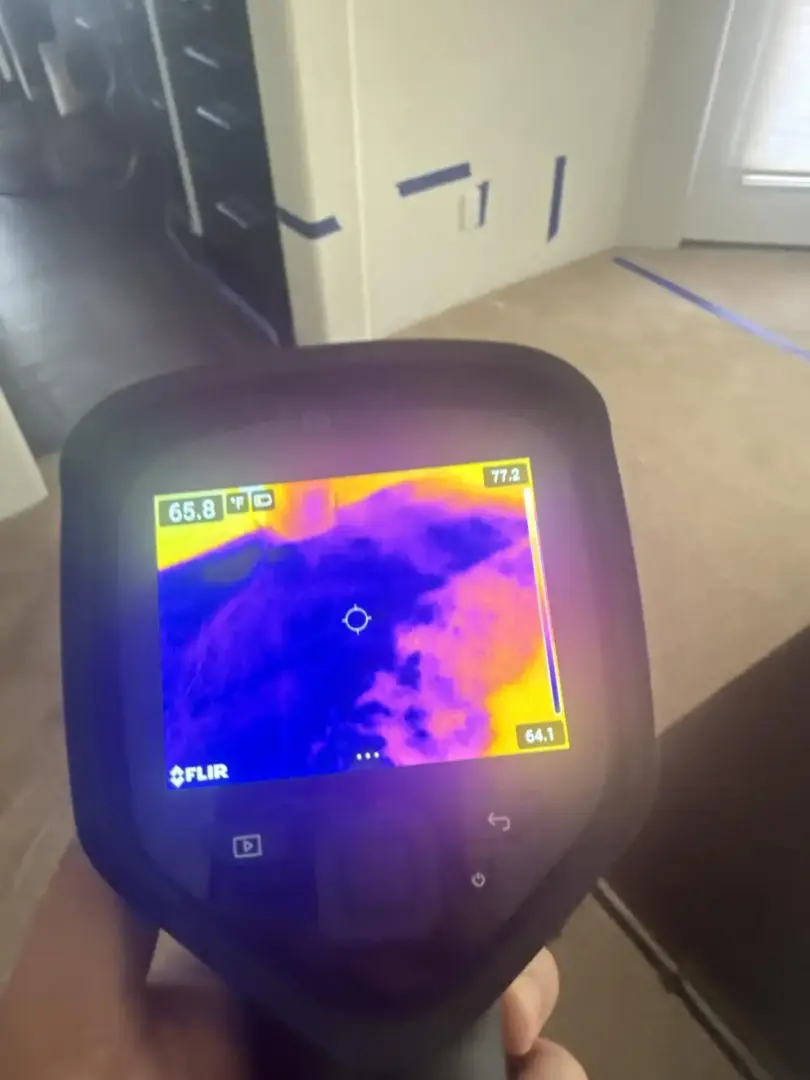
When a home has water damage, one of the first things a restoration professional needs to determine is the category of water involved. This matters because not all water damage is the same. Some water is relatively clean, some is contaminated, and some can pose serious health risks if it is not handled correctly.
For homeowners, this can be confusing at first. You may look at the damage and wonder why one section of flooring was removed while another part was dried in place. The answer usually comes down to the water category, the type of material affected, and whether the material can be safely restored.
Understanding water damage categories can help you make better decisions after a leak, overflow, or flood. It can also help you understand why restoration companies sometimes remove materials instead of trying to dry everything in place.
In professional water damage restoration, water is usually classified into three categories based on how contaminated it is. These categories help determine the proper cleanup method, safety precautions, and whether materials can be saved or must be removed.
The three categories are:
Category 1: Clean water.
Category 2: Gray water. (significant contamination)
Category 3: Black water. (grossly contaminated)
These terms are used to describe the quality of the water, not just where it came from. A loss can also change category over time if the water sits, spreads, or contacts contaminated materials.
Category 1 water is water from a clean, sanitary source. This may include a broken supply line, a sink overflow from a clean source, or a plumbing leak from a water line before it becomes contaminated.
At first, Category 1 water is the least concerning from a contamination standpoint. However, that does not mean it is harmless. If it is left too long, it can soak into building materials, cause swelling and warping, and potentially deteriorate into a more contaminated category.
That is one reason fast action matters. Even clean water can still create serious damage if it spreads behind walls, under flooring, or into insulation.
Category 2 water is often called gray water. It contains a significant level of contamination and may cause illness or discomfort if a person is exposed to it.
This type of water may come from sources like dishwasher discharge, washing machine overflow, or water that has already contacted building materials and picked up contamination. A Category 1 loss can also become Category 2 if it sits long enough or comes into contact with dirty surfaces.
Category 2 water usually requires more caution than clean water. Depending on the extent of the loss, some materials may be salvageable, while others may need to be removed to protect the structure and the people living in the home.
Category 3 water is grossly contaminated water, often referred to as black water. It can contain harmful bacteria, sewage, flood contamination, or other serious contaminants that make it unsafe to handle without proper protection.
This category includes water from sewer backups, toilet overflows with fecal contamination, and some types of flood damage. It is the most serious category because of the health risks involved.
When Category 3 water is present, restorers usually have to be much more aggressive about removing damaged materials. Anything porous that has been exposed may not be safe to keep, especially if it cannot be fully cleaned and disinfected.
The category of water affects almost every decision in the restoration process. It helps determine:
What safety precautions are needed.
Which materials can be cleaned and dried.
Which materials need to be removed.
How contamination should be contained.
What the home needs before repairs can begin.
This is why two water damage jobs that look similar on the surface can be handled very differently. A small Category 1 leak may only require drying and limited repairs, while a Category 3 loss may require demolition, sanitation, and more extensive reconstruction.
Homeowners often want to know why restoration crews remove drywall, carpet, baseboards, or insulation instead of simply drying everything out. The answer is usually tied to contamination, saturation, and the type of material involved.
Some materials absorb water too deeply to dry safely. Others are porous enough that contamination can remain trapped inside them. If those materials were exposed to Category 2 or Category 3 water, removing them is often the safest choice.
Materials are commonly removed when:
They are heavily saturated.
They are porous and difficult to clean completely.
They were exposed to contaminated water.
They have started to break down.
They may hold moisture behind the surface.
They could create future mold or odor problems.
This is not about tearing things out unnecessarily. It is about protecting the home and making sure the affected area can be restored properly.
Not every damaged material has to come out. In many Category 1 losses, some materials can be dried, cleaned, and restored in place. That may include structural framing, some flooring systems, or other components that remain stable and uncontaminated.
A restoration professional will usually look at:
The type of water involved.
How long the water was present.
How much saturation occurred.
Whether the material can be cleaned thoroughly.
Whether hidden moisture remains.
Whether the material has lost structural integrity.
If a material can be safely restored, there is usually no reason to remove it. The goal is always to save as much as possible while still protecting the home and its occupants.
One important thing homeowners should know is that water can change category over time. Clean water does not always stay clean.
For example, a Category 1 leak that sits for a while may pick up contamination from dust, debris, or contact with dirty building materials. If that happens, it may become Category 2 or even Category 3 depending on the conditions.
This is one reason restoration companies emphasize quick response. The longer water sits, the more complicated the job can become.
If your home has water damage, a proper inspection should include a few key steps. A qualified restoration professional should determine the source of the water, identify the category, check how far the water spread, and explain which materials can be saved.
You should expect the team to look for hidden moisture, evaluate the affected building materials, and explain why certain items may need to be removed. A good contractor should make the process understandable instead of confusing.
If no one explains the category of water or why materials are being removed, that is a red flag. Homeowners deserve clear answers.
The three categories of water damage help restorers decide how to safely and effectively handle a loss. Category 1 is clean water, Category 2 is gray water, and Category 3 is black water. Each one carries different levels of contamination, and each one affects whether materials can be restored or must be removed.
If your home has water damage, the most important step is to act quickly and get a professional inspection. The sooner the water category is identified, the sooner the right restoration plan can begin.
At Blacktail Construction & Restoration, we help homeowners understand what type of water they are dealing with, what materials can be saved, and what needs to be removed so the home can be restored safely and properly.

When your home has water damage, the last thing you want is…
Water emergencies can happen at any time, including late at night when…
A water leak can turn into a serious home problem much faster than most…
Licensed, Bonded, and Insured
When disaster hits, you need more than a service — you need a team you can trust. Our Scottsdale, AZ restoration experts respond quickly to water, fire, and smoke damage, delivering skilled repairs and compassionate support to restore your property and your peace of mind.